Documentary is the work we are best known for, and it is the work clients most often commission without quite knowing what they are commissioning. A documentary is not a long corporate video. It is made differently, in the field, with people who are not actors, under conditions that decide the film as much as the script does.
This guide is for anyone planning to commission a documentary in Lebanon: what it involves, who does what, what else comes out of the shoot, and how to brief it so the film earns its audience. For the stage-by-stage account of how a documentary is actually made, read how a documentary gets made in Lebanon. This one is about the commission.
Who commissions documentaries here, and why
In Lebanon the answer is mostly organisations with something to show: UN agencies, international NGOs, embassies and foundations. Twenty-one of our clients are public sector and thirty-five are non-profits, and seven are on long-term agreements, including Save the Children International, WFP, OHCHR, UNICEF Jordan, ACTED and War Child.
They commission documentaries for a reason a brochure cannot serve. A donor who will never visit a demining site in Mount Lebanon can watch one. A ministry can see a children's choir in Tripoli rehearse. A funder in another country can meet the people a programme is for. The film carries the place to the people who decide about it.
The film has to have a reason to exist
Documentary is a crowded genre now. Parrot Analytics found that by late 2023 documentaries made up 23.8% of unscripted television offerings but only about 18% of viewer demand (Parrot Analytics, January 2024). More documentaries are being made than audiences are asking for. The ones that get watched are the ones that answer a question someone actually has.
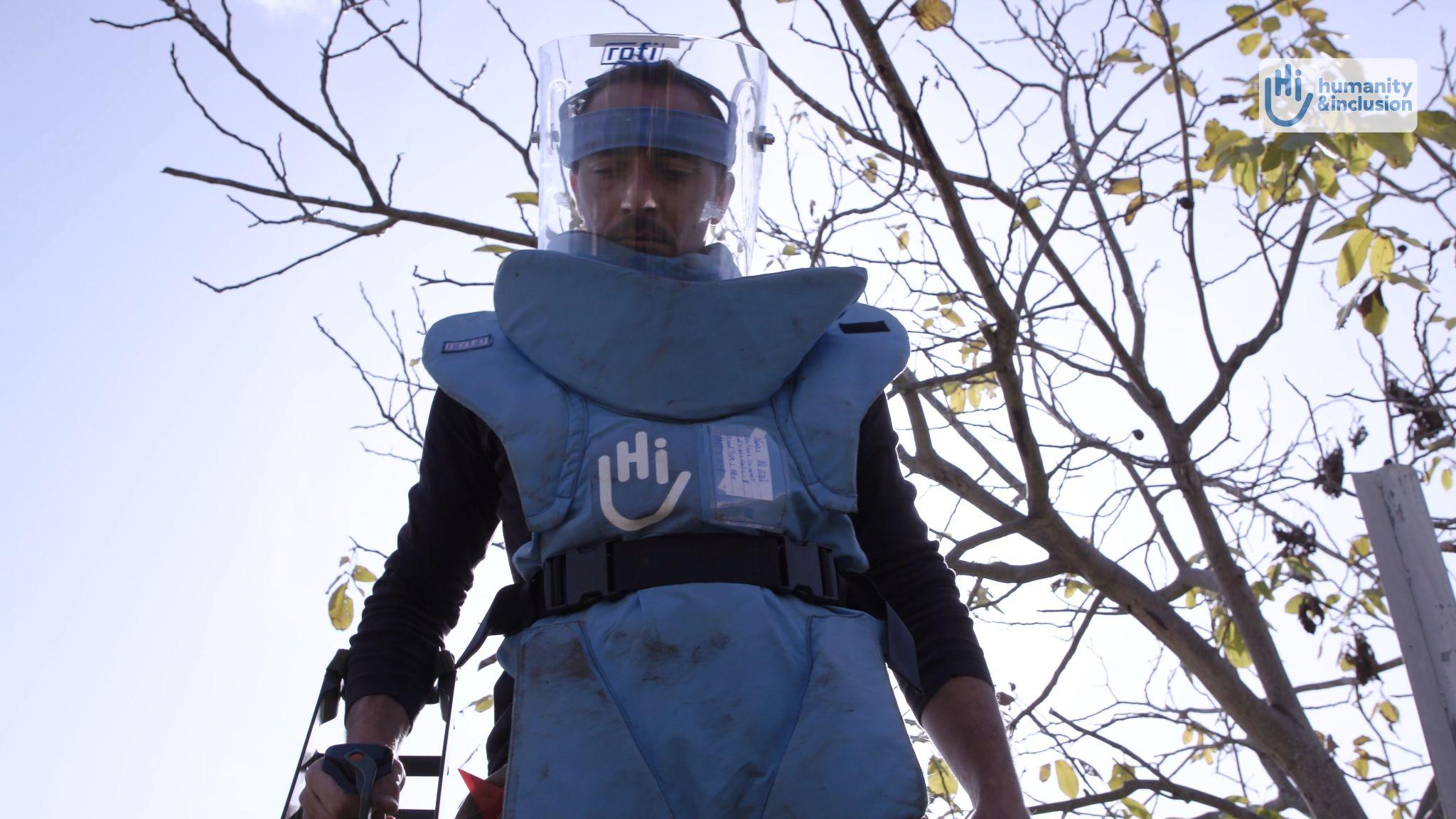
For a commissioned film that means being honest at the brief stage about what the film is for. "Show our work" is not a reason. "Make the case for a Lebanon free of mines to people who will never stand on contaminated ground" is one, and it decided every choice in our demining documentary for Humanity & Inclusion.
What a documentary commission usually includes
The film is rarely the only deliverable, and it should not be.
- The documentary itself, at the length the purpose needs. Our films for organisations run from three minutes to long form; the demining film is three and a half minutes and does its one job.
- Photography from the same shoot. On most projects stills are shot alongside the filming, by a photographer beside the camera team, and delivered to stand on their own for reports and print. The light, the access and the moment are the same, and the client pays for one field day instead of two.
- Explanatory graphics where the footage shows something it cannot label. For the demining commission, technical infographics explained the clearance process step by step.
- Versions. Subtitles, an Arabic and an English cut, short pieces for social media, and, when the audience needs it, sign language interpretation in Lebanese, Jordanian or Palestinian sign languages, built into the production from the start.
Planning these together before anyone travels is what makes field days efficient in places where nothing else can be rushed.
Access, consent and the people on camera
The people in a documentary are not actors, and the film depends on how they are treated. Access is arranged before the shoot, with the organisation that works in the place. Consent is real, in the person's own language, and it can be withdrawn. Dignity is a production decision, not an edit-room fix: where the camera stands, what it withholds, and when it stops.
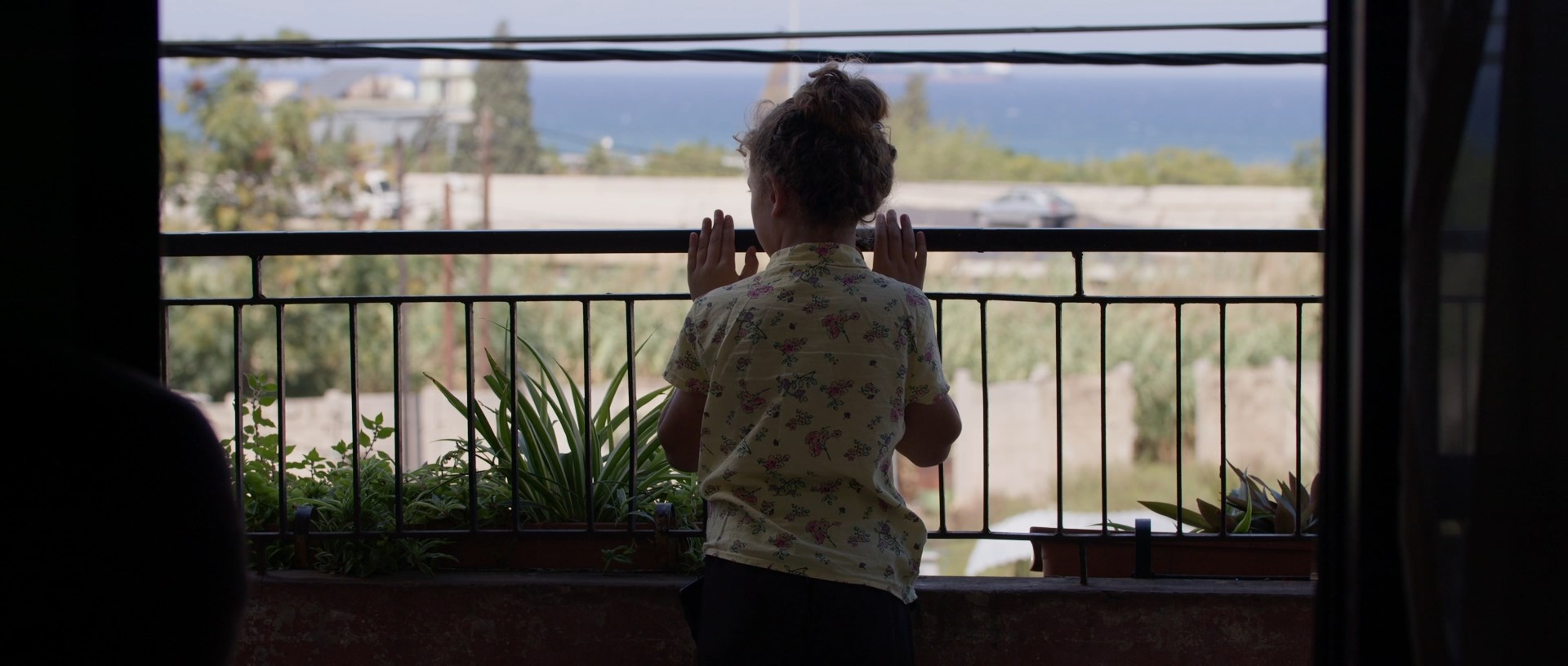
Our film on child labour for Save the Children in Tripoli and Akkar was shot in black and white, in close details and without identifiable faces, because the brief required that no child be exposed. The constraint became the film's language. The principles behind that, and the ones we apply on every humanitarian shoot, are set out in how humanitarian films get made.
Where we film
Most of our documentary filming happens on location across Lebanon, from the south to the north and from the coast into the mountains, and often in difficult conditions: demining teams in Mount Lebanon, choirs in Tripoli, families displaced by conflict. We are based in Hamra, Beirut, and we also work regionally when a film needs it.
A small crew is usually the right crew. In a clinic, a classroom or a cleared lane on a hillside, fewer people means less disruption to the work being filmed and more trust from the people in it.
Examples
- Humanitarian Demining, for Humanity & Inclusion, 2022: filmed on site in Aley while teams cleared contaminated land, with interviews at the Lebanese Mine Action Centre and testimony from survivors; documentary, infographics and a photography series from one shoot.
- Al-Fayhaa Choir, for Save the Children International, 2023: a children's choir in Tripoli, long form, music led, shot over multiple sessions with the choir and its conductor.
- Lebanese Wine, for USAID's Trade and Investment Facilitation Activity, 2023: filmed across wineries in the Bekaa, the South, the North and Mount Lebanon to introduce Lebanese wineries to the US market.
- I Am Strong, for the Embassy of Canada, 2025: portraits of women rebuilding lives and communities, filmed across Lebanon.
- MMKN, 2025: inside an education programme's classrooms, with the tutors and the students whose paths they change.
All of them are on the documentaries page.
How to brief a documentary
Six things decide the film before the camera does. Have them ready:
- The purpose. What the film must make happen, and for whom.
- The audience. Donors, a ministry, the public, your own staff. Each watches differently.
- Access. Where the work happens, who can grant permission, and when the work is actually taking place.
- The people. Who can appear, in what language, and what they must not be asked to show.
- Languages and versions. Arabic, English, subtitles, sign language, social cuts.
- The deadline, and any event the film is for.
With those, the brief becomes a plan, and the plan becomes a quote.
Talk to us
If your organisation needs a documentary in Lebanon, tell us where the work happens and what the film has to make happen, and we will tell you what it takes to film it properly.