
A commercial is planned to the second before anyone touches a camera. A documentary works the other way around: you plan everything you can, and then reality decides. That difference runs through every stage of how a documentary gets made, and it is why the process looks so unfamiliar to organizations commissioning one for the first time.
We are Fine Line Production, a video production house in Beirut working since 2017, and documentary production is the work we are best known for. We film for UN agencies, international NGOs, embassies and foundations, usually on location across Lebanon and often in difficult conditions: demining teams in Mount Lebanon, choirs in Tripoli, families displaced by conflict. This article walks through how that work actually happens, stage by stage.
Audiences have moved toward the format too. Parrot Analytics, which measures global streaming demand, reported in January 2024 that demand for documentaries rose 44% between early 2021 and the end of 2023, the largest increase among unscripted genres, with production growing even faster at 63%. More documentaries are being watched, and more are being made, which makes it worth understanding what separates a strong one from a forgettable one. Almost all of it happens before and after the filming.
Stage 1: Research and access
Every documentary starts with two questions: what is the real story, and who will let us tell it? Research means reading, calling, and listening before writing anything. Access means permissions, introductions and, above all, trust. A demining organization has safety protocols. A school has child-protection rules. A family has every right to say no.
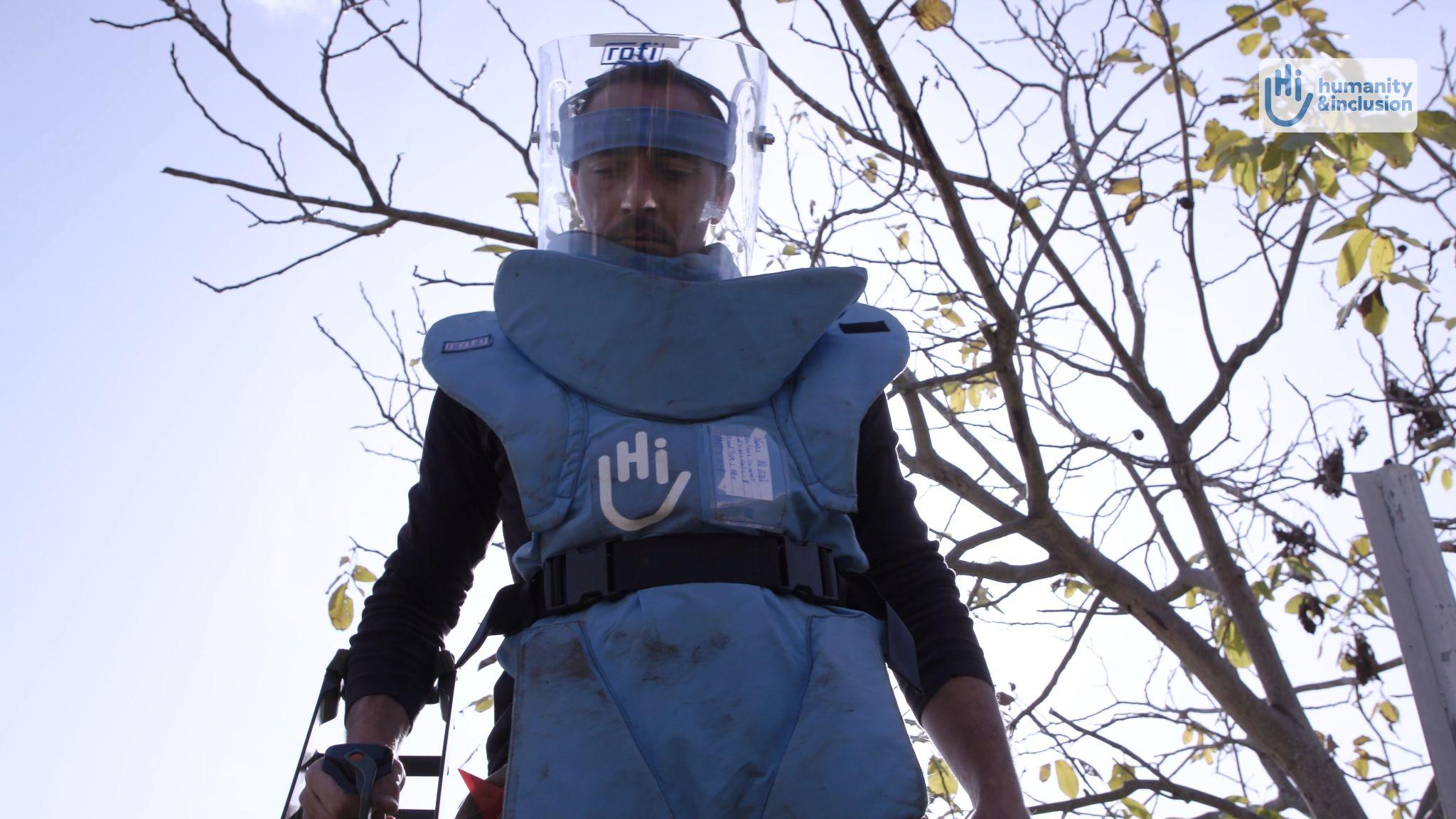
This stage is invisible in the final film and it is the stage that most determines its quality. People who trust the crew give real answers. People who were rushed give guarded ones. When we filmed with the demining teams working Lebanon's contaminated land for Humanity & Inclusion, the access, the safety briefings and the relationship with the teams were the foundation everything else stood on: methodical, dangerous work, told through the people who do it every day.
Stage 2: Planning a field shoot in Lebanon
Documentary planning is about being ready for what you cannot control. In practice, in Lebanon, that means small and mobile crews, equipment chosen for the location rather than the wish list, generators and batteries where the grid is unreliable, and schedules built around the subject's life, not the crew's convenience. A vineyard has harvest weeks. A choir has rehearsal nights. A demining lane has strict working hours and no second takes.
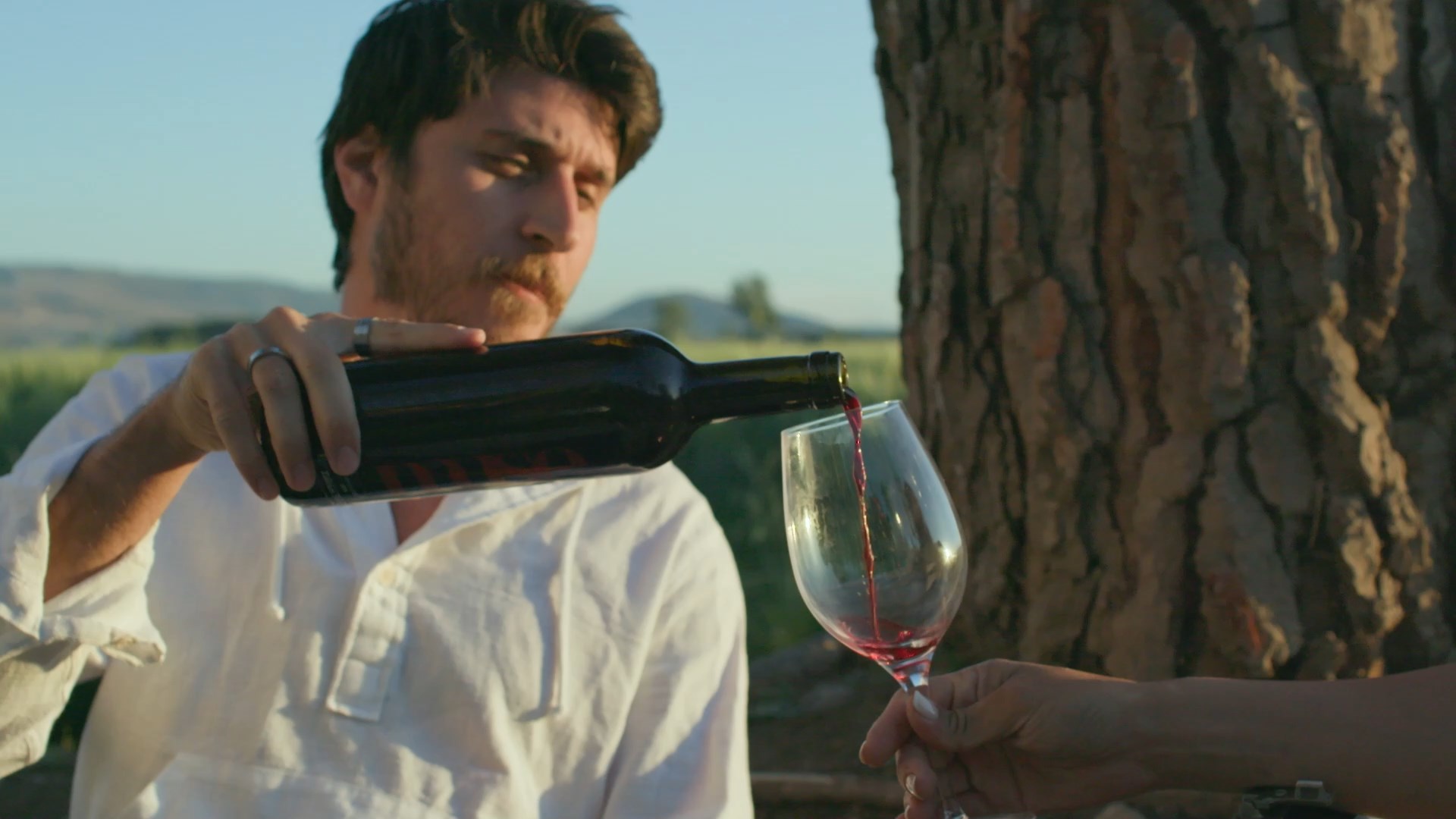
Filming across the country is a regular part of our work: vineyards and cellars for Lebanese Wine, Tripoli for the Al-Fayhaa Choir, field sites for the demining film. Distance and conditions go into the budget at this stage, not discovered during the shoot.
Stage 3: Filming real people
The craft of documentary filming is mostly patience. Interviews are conversations, not interrogations: the camera is set, the light is soft, and then the interviewer's job is to listen long enough for the rehearsed answers to run out and the honest ones to begin. Around the interviews sits observational filming, the daily-life footage that lets viewers see rather than be told.
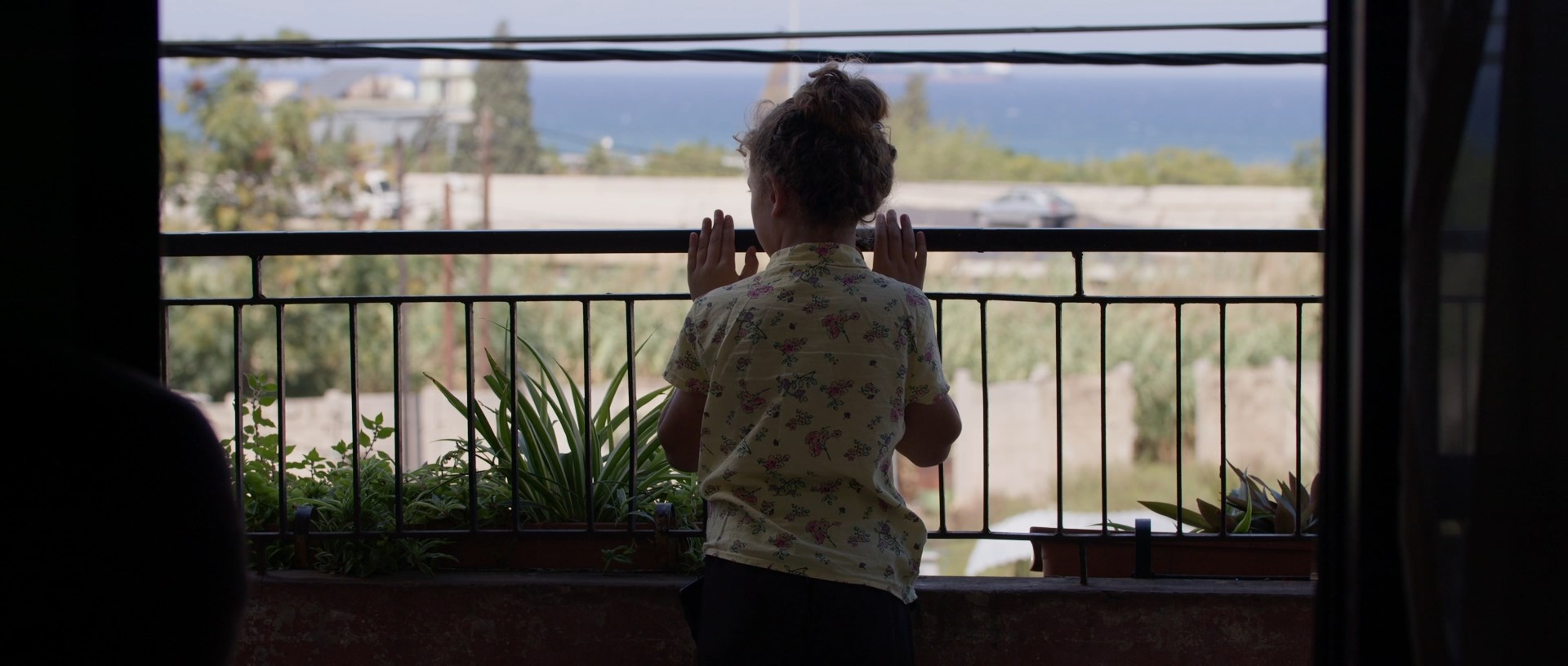
Some stories need repeated visits rather than one long shoot. The Al-Fayhaa Choir film, made with Save the Children, was shot over multiple sessions with the choir and its conductor, because rehearsals, not a single event, were the story.
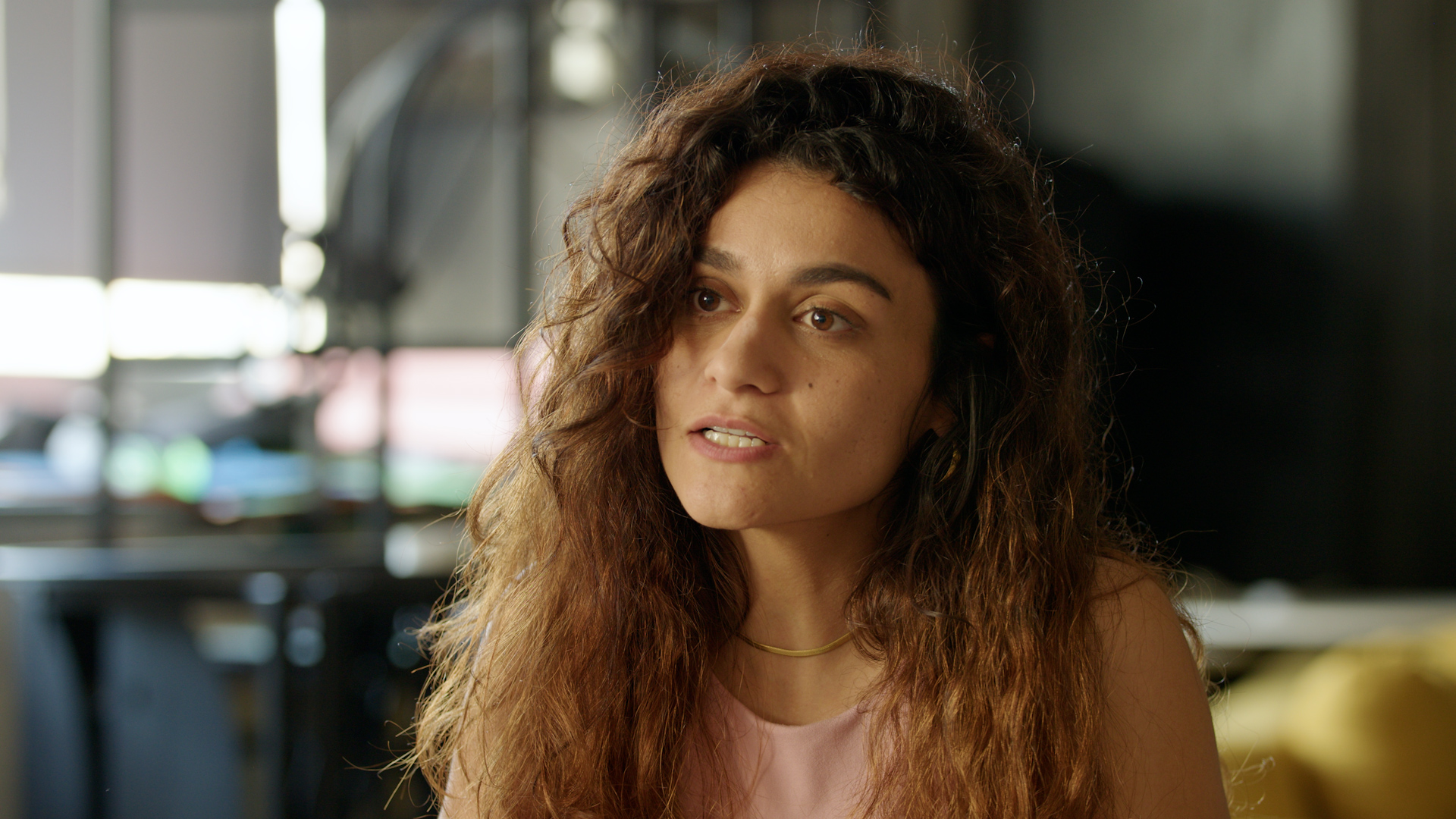
For I Am Strong, filmed for the Embassy of Canada in Lebanon, the film is built from portraits of women rebuilding lives and communities, and portrait filming lives or dies on the comfort of the person in front of the lens. Dignity is a working rule, not a slogan. People are filmed as they want to be seen, told what the film is for, and never pushed into performing hardship.
Stage 4: Photography alongside the film
On most of our documentary projects, stills photography runs alongside the filming rather than as a separate booking. The demining film wove documentary stills through the moving footage, and the photographs went on to serve the organization's reports and campaigns. For a commissioning NGO this is simple economics: one field deployment, two kinds of material.
Stage 5: The edit is where the film is written
A scripted film is written before the shoot. A documentary is written in the edit. The editor watches everything, finds the story that actually emerged, and builds it: structure first, then rhythm, then the fine work of trimming every scene to its honest length. This is the longest stage of post-production and the least visible from outside, and it is where a pile of true footage becomes a film that feels true.
It is also where restraint matters. The material decides the film. If the footage does not support a claim, the claim goes, which is the same rule we apply to everything we publish.
Stage 6: Sound, music and grade
Field audio is repaired and balanced, atmospheres are rebuilt so locations feel present, music is chosen or composed to serve the story rather than decorate it, and the color grade gives the film its final look while keeping documentary footage honest: graded, not beautified into fiction.
Stage 7: Languages, subtitles and delivery
Documentaries in Lebanon almost always live in at least two languages. Interviews happen in Arabic, English or French, and the film is delivered with subtitles or versions for each audience: the donor's language and the community's language are rarely the same. We script and produce in Arabic and English, and subtitling is planned from the start, because a film that will carry subtitles is framed and paced with them in mind. Delivery then fans out: the festival or premiere master, the website version, vertical social cutdowns, and stills for reports.
Who commissions documentaries in Lebanon, and why
Most documentary commissioning here comes from organizations with a story that needs witnessing: UN agencies, international NGOs, embassies and foundations. Of our clients, twenty-one are public sector and thirty-five are non-profits, and seven are on long-term agreements, including Save the Children International, WFP, OHCHR, UNICEF Jordan, ACTED and War Child. The films range from a cinematic journey through Lebanon's wine industry for USAID's Trade and Investment Facilitation project, to education programs inside MMKN's classrooms, to the demining and resilience films above. You can see them on our documentaries page, and if your subject is humanitarian, our guide to how humanitarian films get made in MENA covers the ethics side in depth.
What this means for your budget and timeline
Everything above translates into the two questions every commissioning organization asks. Time: research and access take weeks, not days, and the edit usually takes longer than the shoot. Money: the drivers are the number of field days, the locations and travel, whether the story needs repeated visits, stills alongside video, and the number of languages and delivery versions. A documentary compresses well when the story is focused, and badly when the brief tries to cover everything an organization does in one film. The single best cost decision is choosing one story and trusting it.
Talk to us
If your organization is considering a documentary in Lebanon or the region, tell us the story you think is there. We will tell you honestly what it needs, how long it takes and what moves the budget. Email info@finelineprod.com, call +961 1 741 744, or use the contact page. Our documentary work is on the documentaries page.