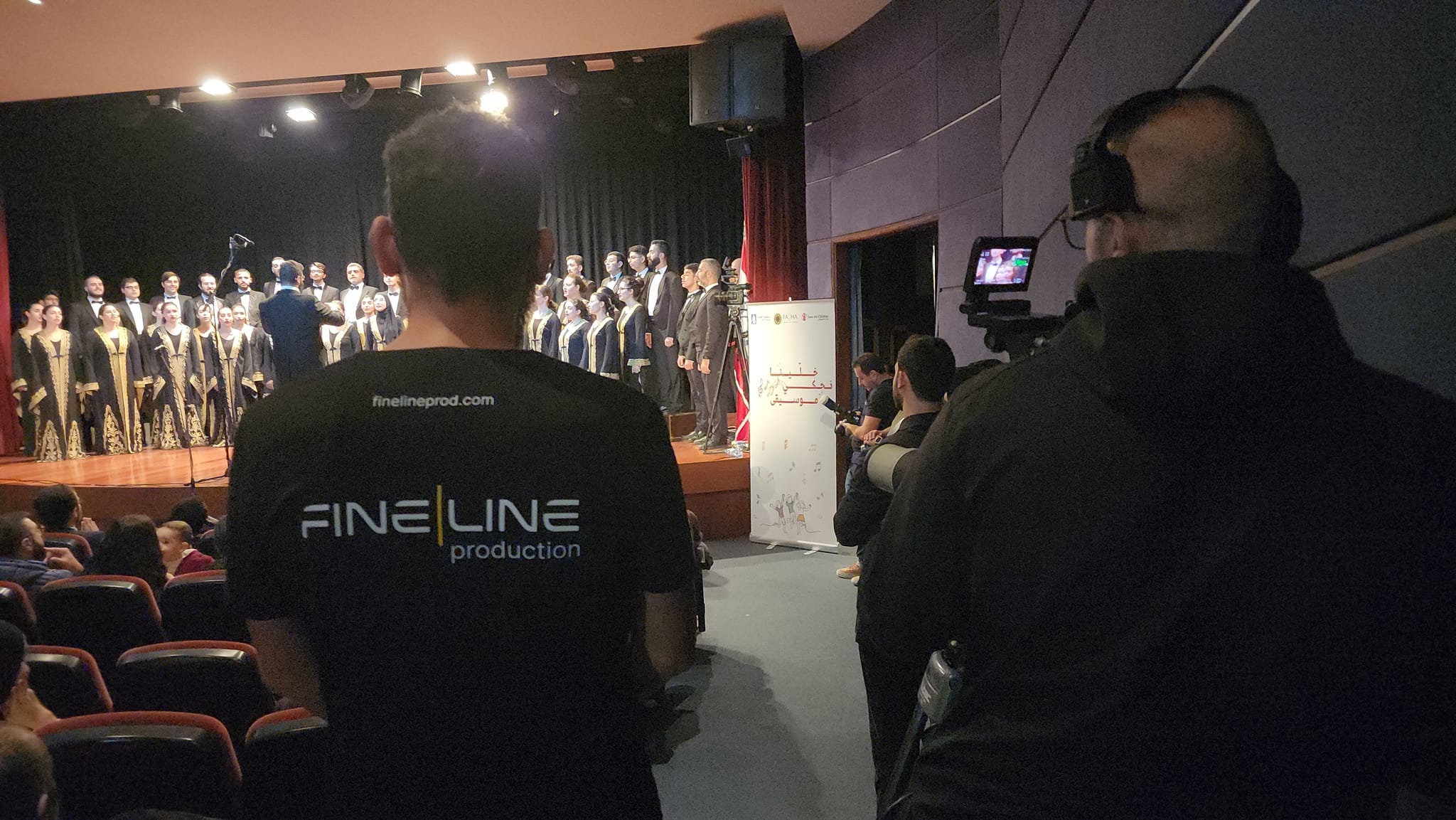
Event videography in Beirut means a crew films your conference, launch, ceremony or brand activation, and then turns that footage into something you can use afterward: a highlight film, recordings of the sessions, short clips for social media, sometimes photos. The coverage is the easy part to picture. What needs agreeing in advance is what you receive, in which formats, and by when.
We are Fine Line Production, a production house in Hamra, Beirut. Live coverage and streaming, which includes multi-camera event coverage, is one of our ten services, and our activations page shows event work for brands. This guide explains what coverage can include, what decides the delivery time, and how to brief a crew so the day goes the way you planned.
What does event videography include?
Different events need different packages. These are the building blocks, and most jobs combine two or three of them:
- A highlight film. One edited film, usually one to a few minutes, that gives the feeling of the event and the key moments. It is the piece most clients share first.
- Full session recordings. The talks, panels or ceremony recorded in full, so people who missed them can watch. This is a different product from a highlight film, and it takes different coverage.
- Social cutdowns. Short clips cut for Instagram, TikTok or LinkedIn, often vertical.
- Interviews and soundbites. Short on-camera conversations with speakers or guests, filmed in a quiet corner of the venue.
- Photography. Photos taken alongside the filming. On most of our projects photography runs with the filming rather than as a separate booking.
- Live streaming. Optional, and a separate discipline with its own setup. See how live streaming works for events and what it costs.
Aerial footage of a venue or location is also possible. We provide it through the drone operators we work with rather than an in-house department, so it is planned in advance and not added on the day.
How many cameras does event coverage need?
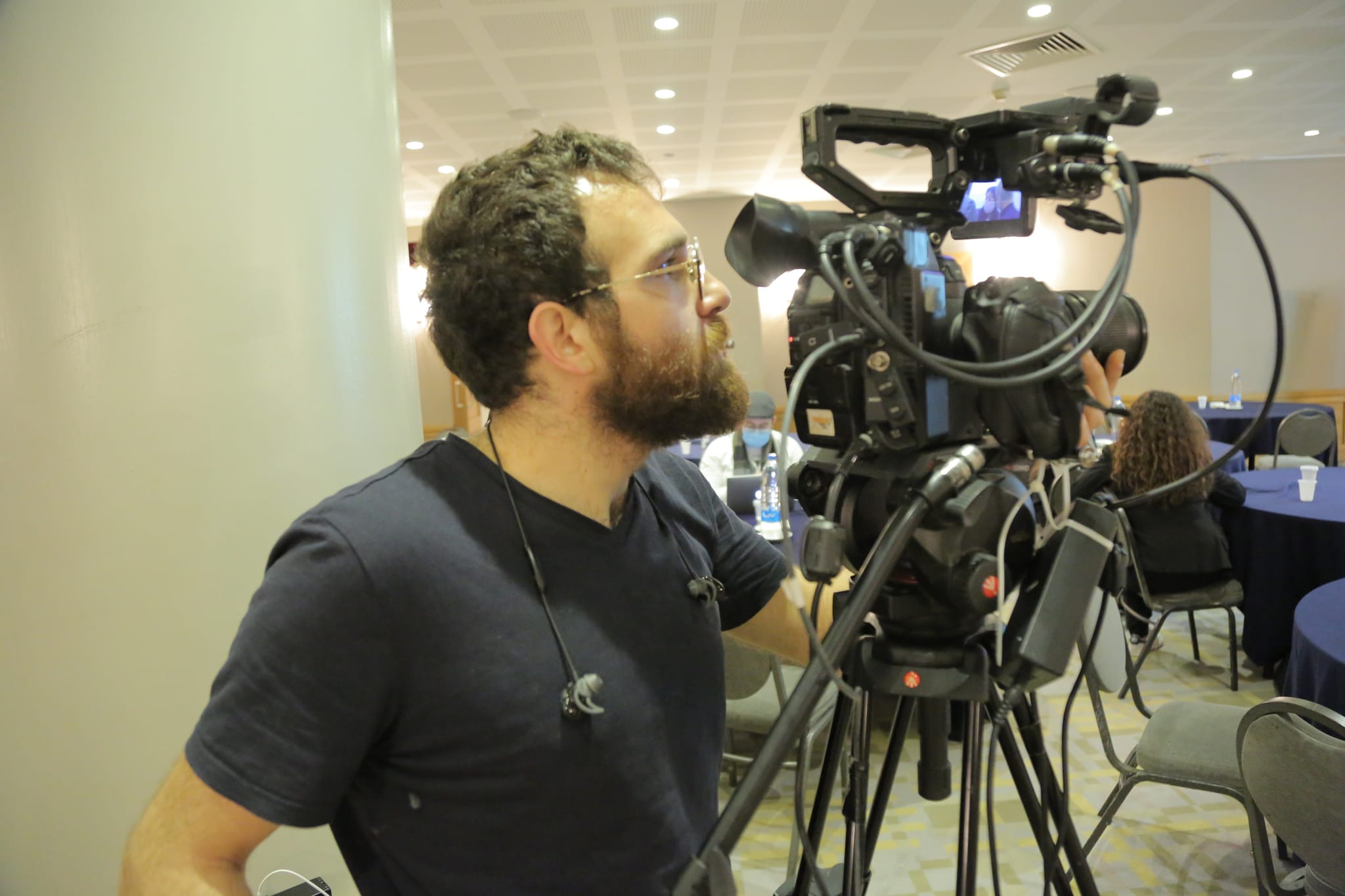
It depends on what you want to receive. One camera can record a talk. A second camera gives the editor a cutaway, so the edit does not stay on one angle for forty minutes. For a conference with a stage, a panel and an audience, a wide shot, a close shot and a roaming camera for reactions is a common starting point, and it is why a single videographer cannot cover everything. Our guide to hiring a videographer in Beirut explains when one person is enough and when the job needs a team.
For reference, on a typical live event we run four to five cameras at 6K, and every camera and audio channel is recorded in isolation, so clean material is ready for editing straight afterward. That is our live setup, as listed on our services page. A simpler recorded-only event may need fewer. A crew should tell you how many cameras it recommends and why, not just give a number.
Sound deserves the same attention as picture. A speech filmed beautifully with poor audio is hard to use. Ask how the speakers will be recorded, and whether the venue can give the crew a feed from its sound system.
How long does event video delivery take?
Delivery time depends on the package, and it is worth asking for it in writing. Here is what we can say from our own work, and what is general.
- Fast recaps for activations. Our activations page describes recaps cut for social hours after an event, and a season of brand events shot and turned around by one crew. Speed like that has to be planned: agree the formats and who approves before the doors open.
- Edited deliverables for live coverage. For events we cover live, edited deliverables follow in a few working days, as stated on our services page.
- Everything else is set by the brief. We do not publish a standard turnaround for every package, and we do not promise one without seeing the brief.
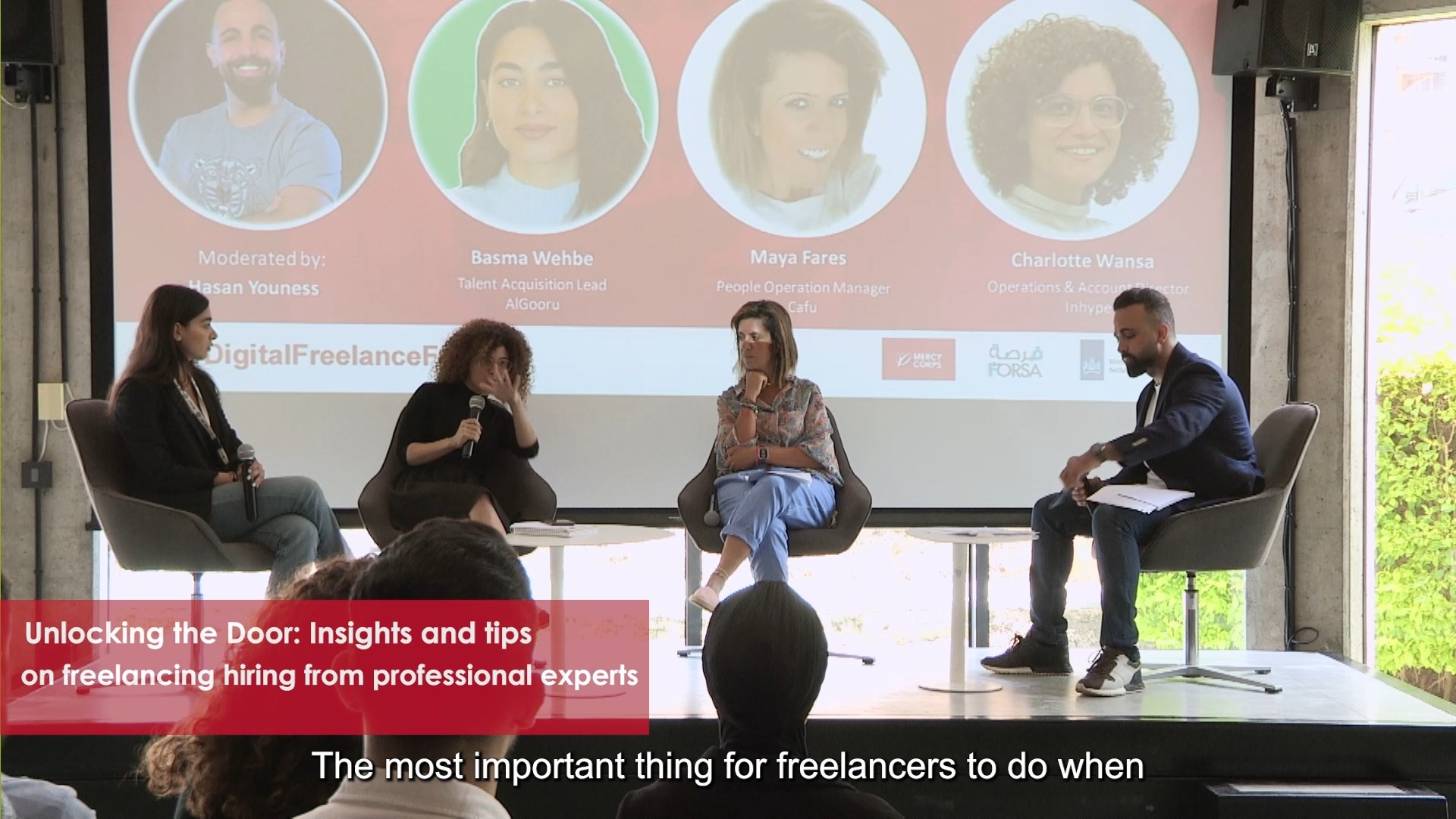
In general, and not specific to any company, four things stretch or shorten a timeline. A longer film takes longer than a short one. More cameras mean more footage to go through. Each round of feedback adds time, and a slow reply lengthens the job. Subtitles in two languages, or a sign language interpreter, add work before delivery. If you need something the same night, say so when you book.
The wider production process, from brief to delivery, is explained in how a video gets made in Lebanon.
How do you brief an event videographer?
A good brief fits on one page. The more of this you can send before the day, the less the crew has to guess:
- The basics. Date, venue, call time and running hours. If there is more than one room or more than one day, say so.
- The purpose. Who will watch the finished video and what you want them to do or feel. A film for donors is not the same as a film for next year's attendees.
- The program. A running order with times. Mark the moments that matter most, such as the keynote, an award, a signing or a product reveal.
- Names and roles. Who must be filmed, who to interview, and who on your side can approve access on the day.
- Deliverables. Which pieces you want: highlight film, full sessions, social cutdowns, photos. Give lengths and the platforms where they will be posted.
- Languages. The languages spoken on stage, and whether you want subtitles in Arabic, English or both.
- Brand details. Logos, colors, and any rule about how sponsors or partners appear.
- Deadline and approvals. When you need the first piece, who signs off, and how many rounds of feedback you expect.
Add anything the venue controls: lighting conditions, restricted areas, rehearsal access, loading and parking. If you can arrange a short visit or a call with the venue before the event, do it.
Which video formats should you ask for?
Decide the formats before the event, because they change how it is filmed. A horizontal film cropped later into a vertical one loses a lot of the frame. If vertical clips matter, tell the crew so they can frame for it. Our activations page shows both kinds, vertical recaps cut for social and landscape cuts, from the same events.
One platform detail is worth knowing. YouTube states that for 9:16 vertical videos on computer browsers it may add padding, and it advises against adding padding or black bars to a video yourself, because that interferes with how its player adapts to the viewer's device (YouTube Help, checked 4 November 2026). In practice, ask for a true vertical version of each clip rather than a horizontal film placed on a vertical canvas. Platform specifications change, so check each platform's current requirements before you finalize your list.
What about guests, permissions and privacy?
Guests at your event will appear on camera, so tell them. A short notice on the invitation, a sign at the entrance, and a clear way for someone to say they would rather not be filmed all help. Check any filming rules with the venue, and if you are unsure about the legal side, ask a legal adviser. We have not summarized the local data protection law here because we could not verify its text for this article.
Some events need extra care: ones with minors, with sensitive topics, or with participants from vulnerable groups. Raise this in the brief. If your video needs to be accessible, plan sign language interpretation from the start rather than after the footage exists.
Does your event need live streaming too?
Event videography records the event for later. Streaming sends it to an audience while it happens, and it needs a control desk, a director and a reliable connection at the venue. If part of your audience will join online, read about hybrid events, and look at our live streaming page. The same team can cover both, and the recordings from a streamed event can feed the highlight film and clips afterward.
For an example of an activation film, see the Stay Curious portrait film page, and for the full list of event work, the activations page.
Talk to us
If you are planning an event in Lebanon, send us the date, the venue, the program and what you want to receive. We will tell you what we recommend and what it involves. Email info@finelineprod.com, call +961 1 741 744 or +961 3 061 979, or use the contact page. The full list of what we do is on the services page.
Thank you for reading. To see our recent event work, follow us or start a project below.