
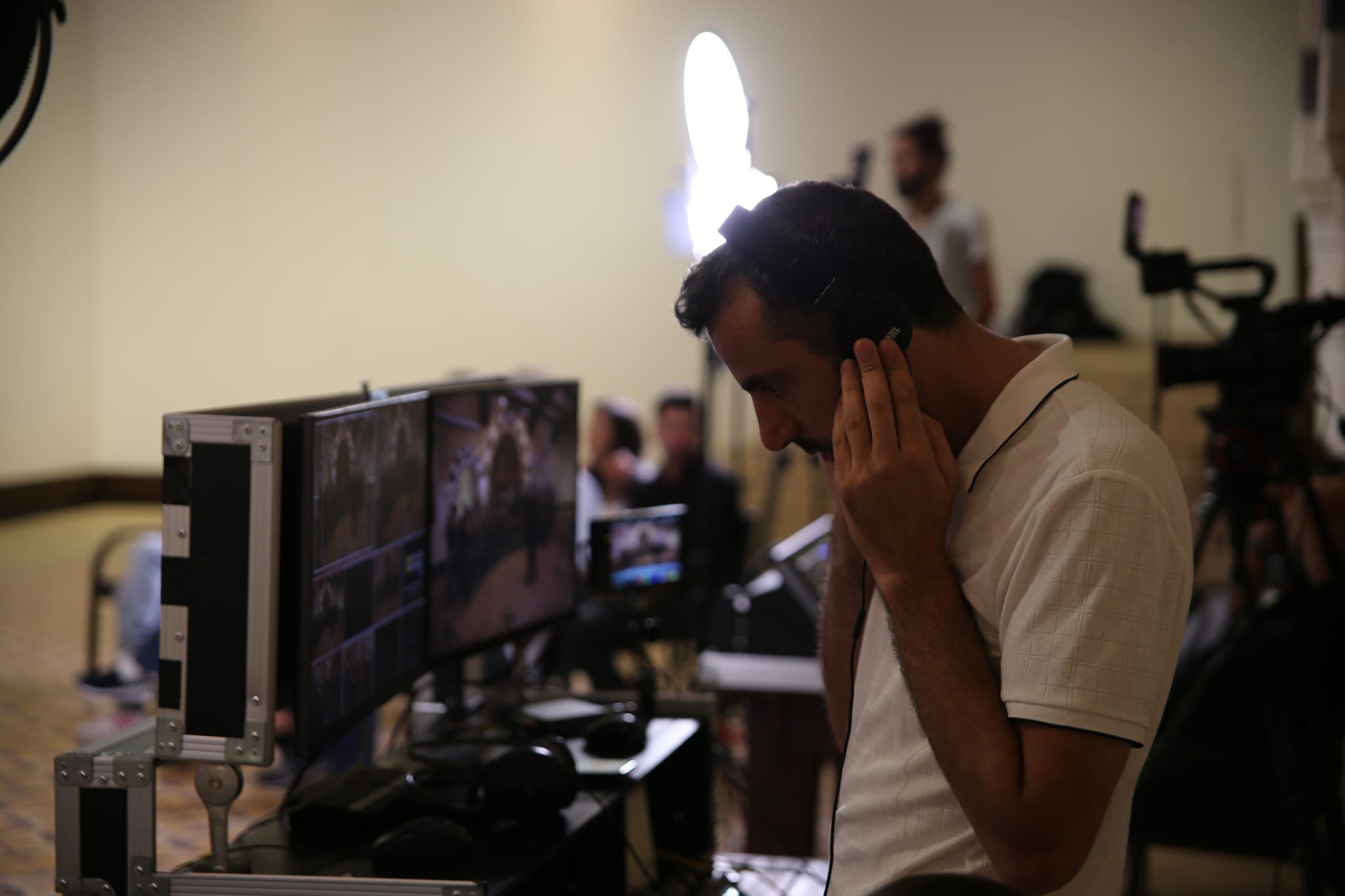
"Can you stream our event, and how much does it cost?" is one of the most common messages we receive, and the honest answer is that the second half depends entirely on the first. A single camera pointed at a podium and a five camera broadcast with remote speakers, slides, name titles and three platforms at once are both "a live stream". They are not the same job.
We are Fine Line Production in Beirut. Live coverage and streaming is one of our core services. We have streamed for the Agence Universitaire de la Francophonie, Phoenicia University, the Peace Research Institute Oslo, Mercy Corps, the Friedrich Naumann Foundation, Jusoor and OHCHR, and produced live broadcasts for TikTok in the MENA region. We do not publish a price list, and this article will not invent one. It shows you what moves the number, so you can read any quote and understand what you are paying for.
Streaming an event is no longer unusual. In Wyzowl's 2026 video marketing survey, 56% of video marketers said they use webinars, which puts live, online formats alongside Instagram and Facebook among the platforms businesses actually use. If our plain-language guide to how live streaming works for events is the "what", this article is the "how much".
The short answer
There is no fixed price for live streaming in Lebanon, because the price is built from parts: how many cameras and other sources, how many hours the crew is on site, where the stream goes, what is on screen beyond the cameras, where the venue is and what it provides, and what you want to keep afterwards. A one hour panel in a Beirut hotel and a two day conference in the mountains with a satellite room and two remote guests are different budgets for good reasons.
The useful news is that every part is a decision you can make, and a good production team will tell you which ones your event actually needs before you spend anything.
What actually moves the price
1. Cameras and operators
Cameras are the most visible line. A stream with one static camera is cheap and looks like a security feed. Two or three cameras give the cut between a speaker, a wide shot and the audience that makes a stream watchable. Our typical event setup runs four to five cameras at 6K, each with an operator, which is how a stream holds attention for hours rather than minutes. Each camera adds equipment, a person and a feed for the director to cut, so this line scales almost exactly with the number.
2. Sources beyond cameras
A live production is not only cameras. Slides, pre-recorded clips, remote guests and graphics are all sources the director cuts in real time, and our system handles up to eight at once. Each one is also preparation: slides have to be collected and tested, clips formatted, remote guests connected and rehearsed. Remote speakers in particular add a technician's time before and during the event. If your program is one speaker and no slides, this line is small. If it is a hybrid conference with three remote panelists, it is real.
3. Hours on site, days and rehearsal
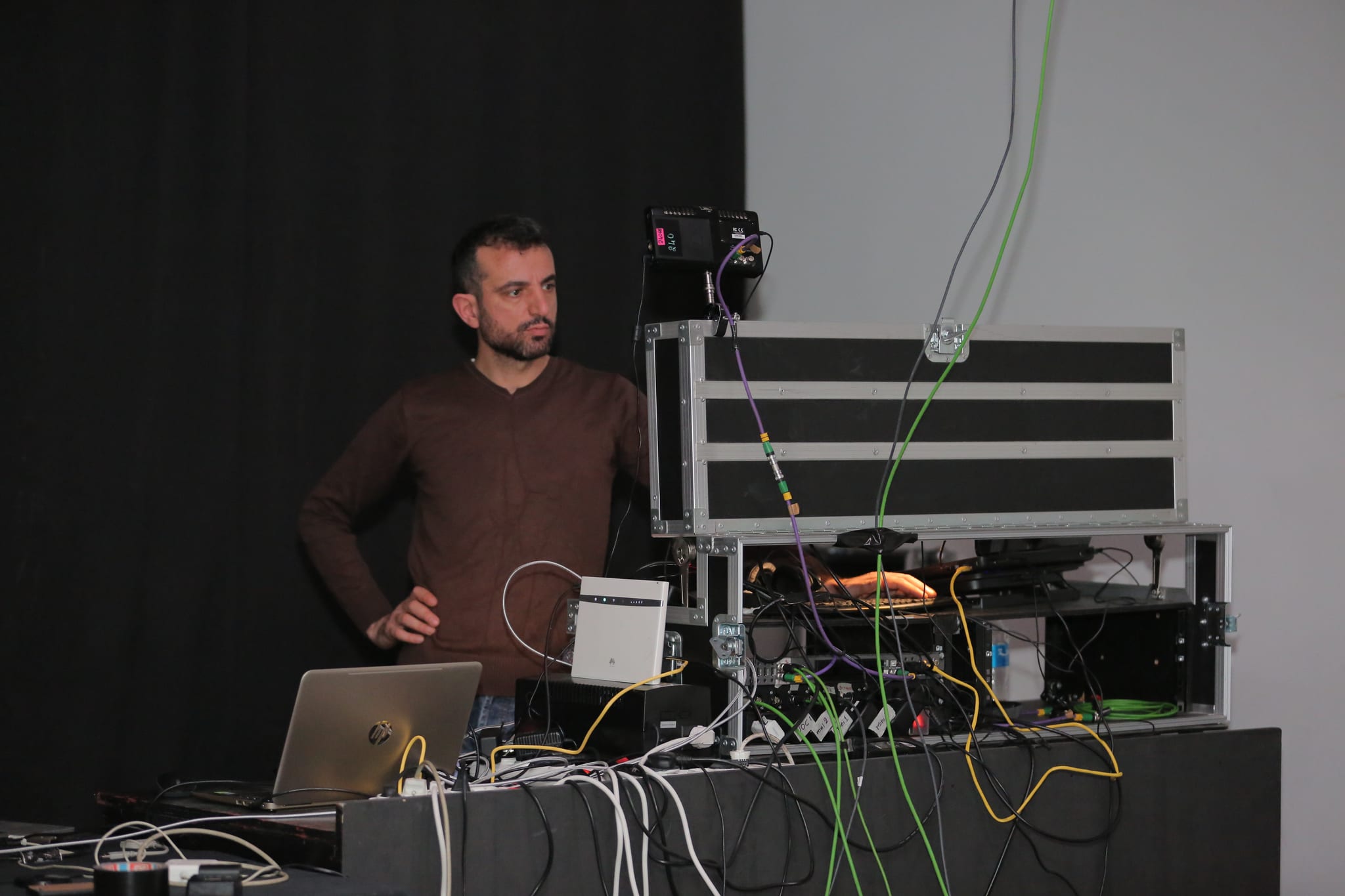
Crew and equipment are booked by the day, and a long stream is a long day: setup starts hours before the first speaker and packing ends after the last. A multi-day event multiplies this, and a rehearsal or technical check the day before adds another day. The length of the stream itself is not the cost. The hours on site are.
4. Where the stream goes
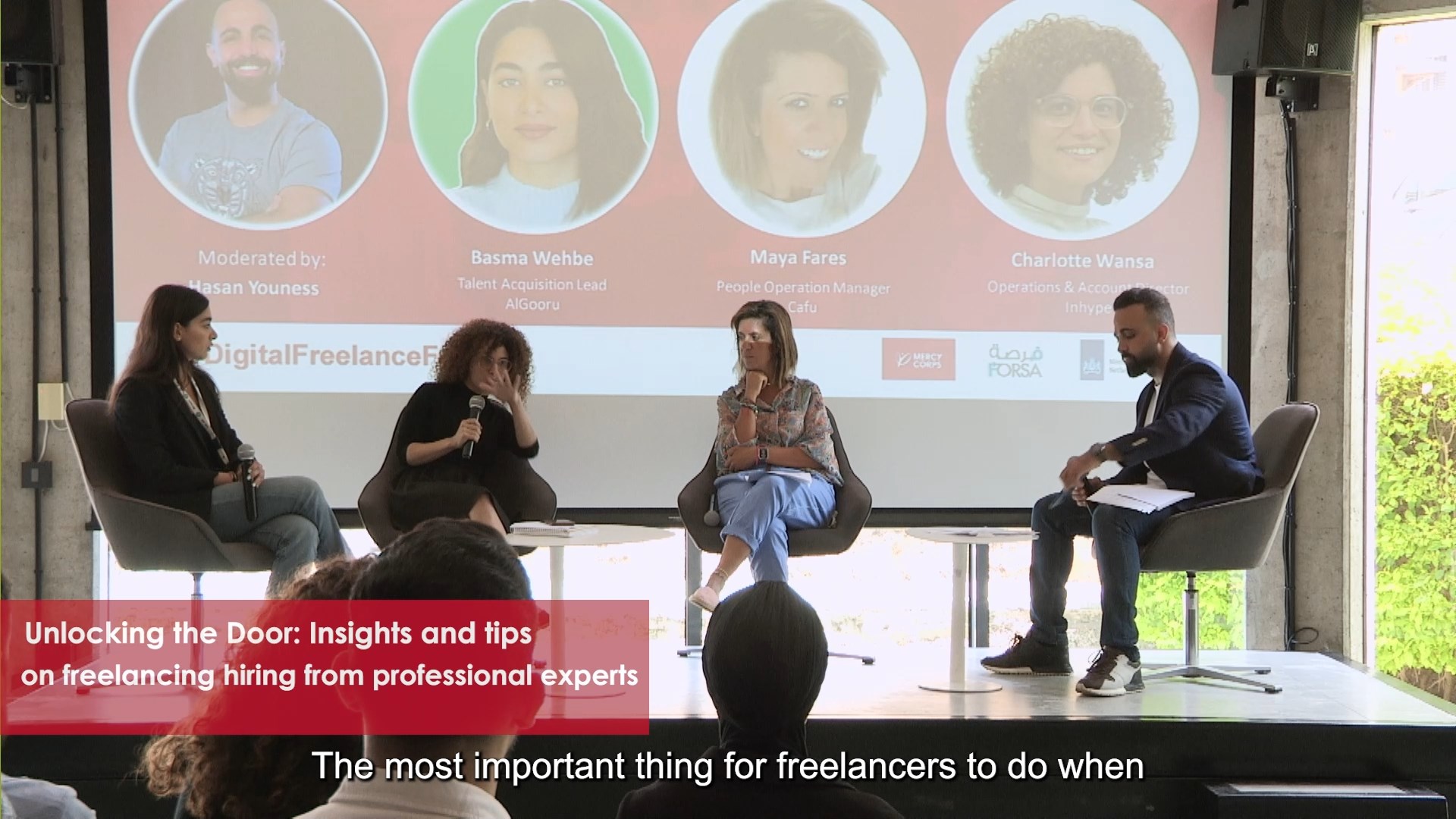
Streaming to one platform or to YouTube, Facebook and Instagram at the same time is mostly a configuration difference, and we send to all three at once as standard. What costs more is a separate custom feed: a clean feed without graphics for a broadcaster, a feed for a second room, or a private stream for a restricted audience. Each is its own output to build and monitor. Decide early where the event needs to go, because it also shapes what the picture looks like.
5. What is on screen besides the cameras
Name titles, agenda cards, logo bugs, sponsor loops and a designed opening are graphics work, prepared before the event and operated during it. Simple name titles are light. A full branded package with animated transitions is design work on top of the live job. Interpretation needs its own plan too: if the event has spoken interpretation, someone has to decide which language goes out on which stream, and if you want a sign language interpreter in the picture, which we provide across Lebanese, Jordanian and Palestinian sign languages, the frame has to be designed to hold them properly rather than squeezed in on the day.
6. The venue
Three venue factors change the budget: the internet connection, the sound system and the power and space for the control position. A venue with a reliable wired connection and a house sound engineer who can hand us a clean audio feed is the easy case. A venue without them means more equipment, more testing and more people. Field sites and remote locations, where we have also streamed, add travel, transport and sometimes accommodation. A site visit or a call with the venue's technical contact before quoting is normal, and worth insisting on.
7. What you keep afterwards
The stream stays online on the platforms it went to, but the valuable material is what we record alongside it. Every camera and every audio channel is recorded in isolation, which makes clean edits possible straight after: a highlights film, each session as its own video, short clips for social. Edited deliverables follow in a few working days. These edits are post-production work, priced separately from the live day, and far cheaper when planned before the event, because the coverage is designed for them.
Two streams, two budgets
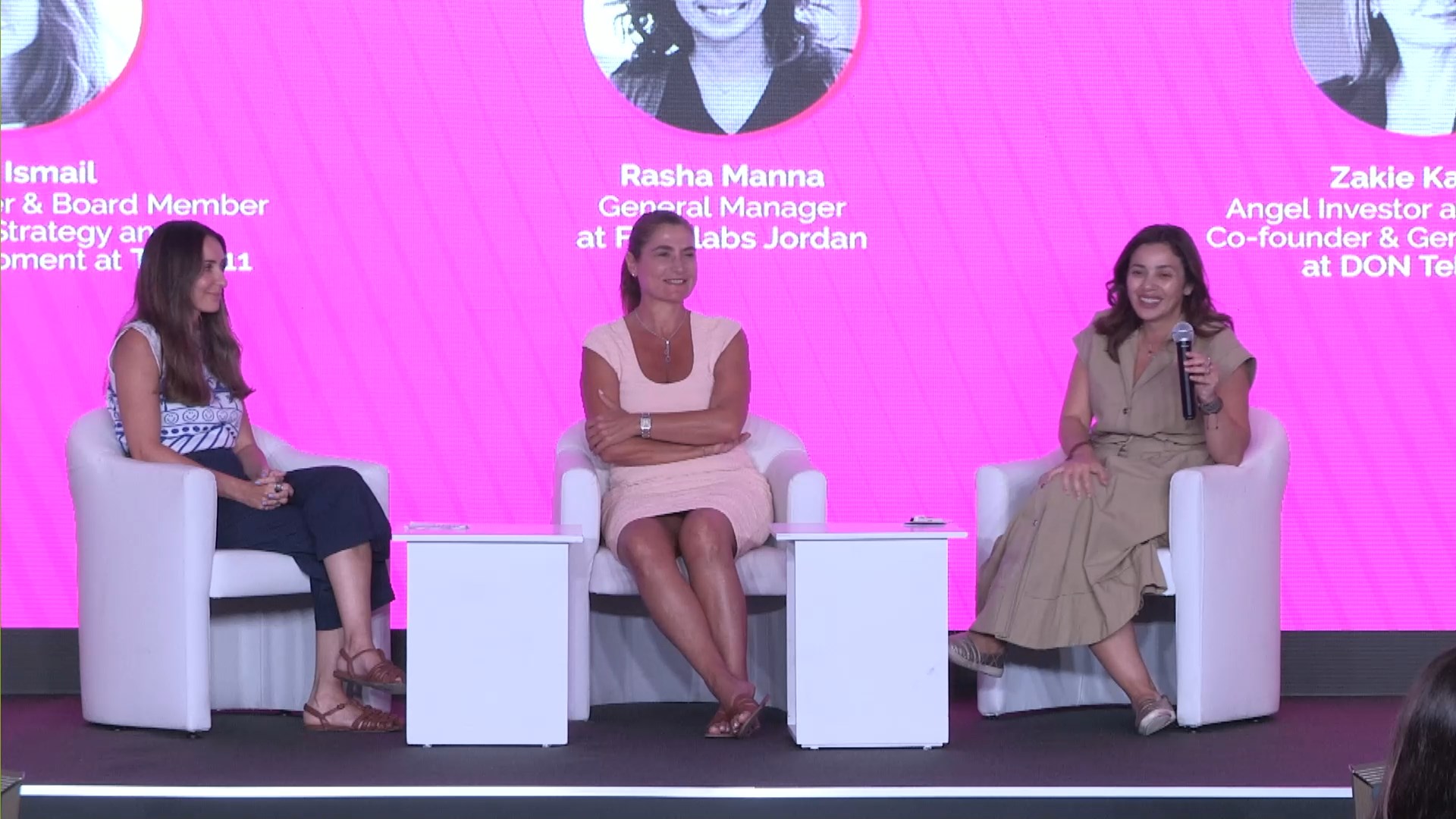
Picture a two hour panel in a Beirut hotel: three cameras, the venue's sound feed, simple name titles, streamed to YouTube and Facebook, with the isolated recordings handed over afterwards. Now picture a two day conference in the mountains: five cameras, slides from a dozen speakers, two remote panelists, a branded graphics package, a clean feed for a partner's platform, a rehearsal day, and a highlights film plus twenty session videos delivered the following week. Both are live streams. The second costs many times the first, and every reason why is on the list above.
Why one team changes the quote
Some live streaming quotes are high because they stack suppliers: an AV company for the room, a streaming company for the encoder, a video company for the cameras and an editor for the aftermath. Each adds a margin and a handover, and on a live day there is no second take. At Fine Line the cameras, the live cut, the stream, the recordings and the edits are one team with one point of contact, and the crew that covers the event is the crew that cuts the recap.
How to get an accurate live streaming quote quickly
Send any production company these answers and you will get a real number instead of a guess:
- Date, running times and number of days, including whether you want a rehearsal.
- Venue and city, plus a technical contact there if you have one.
- The program: how many speakers, whether anyone joins remotely, and whether there are slides or clips.
- Where it should go: which platforms, and whether any partner needs their own feed.
- What should be on screen: name titles only, or a branded package.
- What you want afterwards: the raw recordings, a highlights film, session videos, social clips.
- A budget range. It tells us which honest setup fits your event before anyone designs the wrong one.
Keeping the budget down without cheapening the stream
- Match the number of cameras to the room and the program, not to the ambition.
- Collect slides and test remote guests before the day, not on it.
- Use the venue's sound system if it is good, and ask for a clean feed.
- Stream to the platforms where your audience already is, and add custom feeds only when a partner really needs one.
- Plan the edits before the event so the coverage is shot for them.
Talk to us
If you are planning an event in Lebanon or the region and want it streamed properly, send us the answers above and we will come back with a clear, honest quote. Email info@finelineprod.com, call +961 1 741 744, or use the contact page. Recent work is on the live streaming page, and if the event also needs a film afterwards, our corporate video cost guide covers that side of the budget.