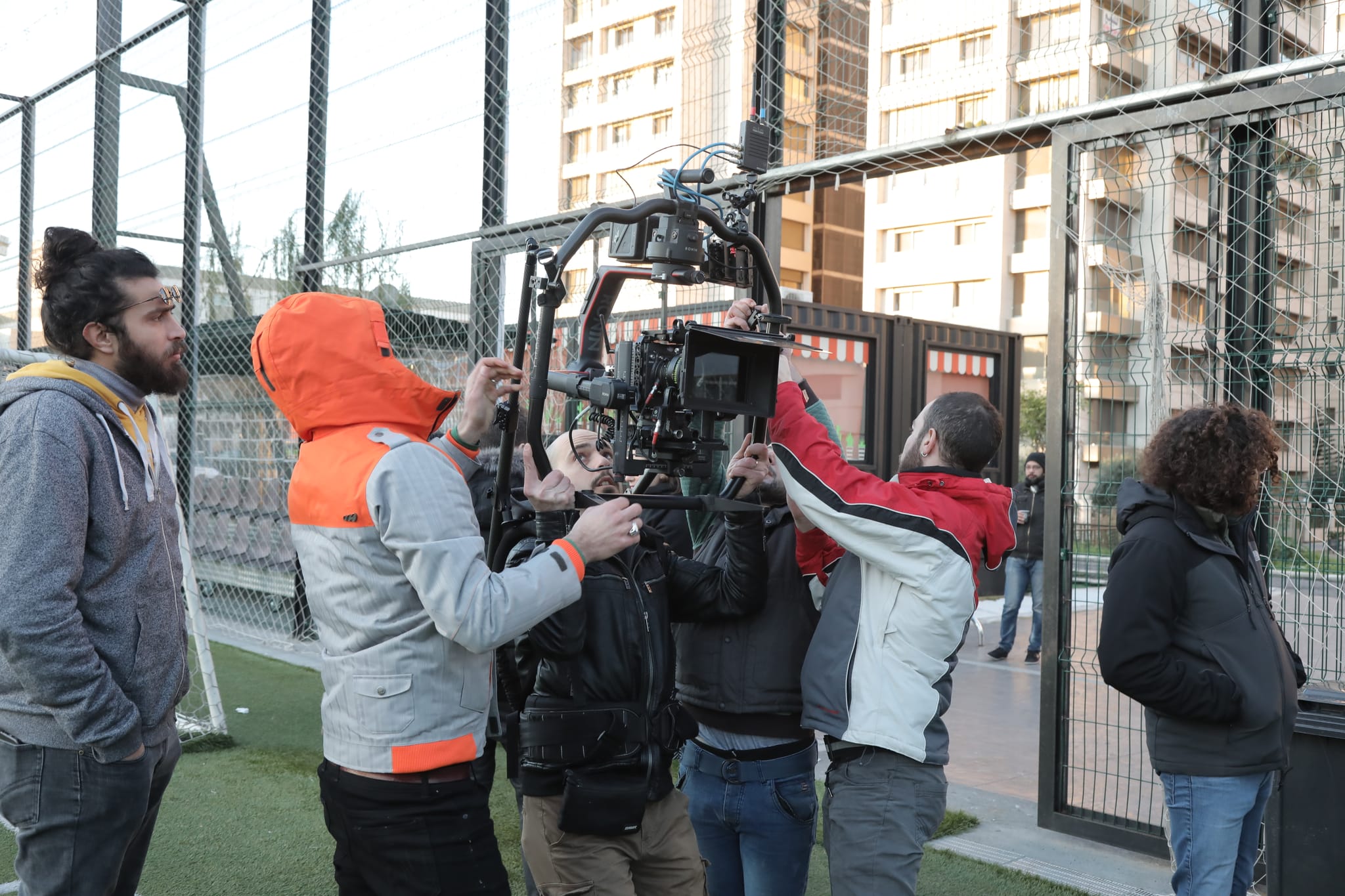
Line production in Lebanon is the job of running the practical side of a shoot on the ground: the budget, the schedule, the local crew, the locations, the permits and the logistics, while the producer and director who hired you keep the creative decisions. If you are a producer from abroad or from the Gulf and you plan to film in Lebanon, a local line producer is the person who turns your shooting plan into days that actually work.
We are Fine Line Production, a production house in Hamra, Beirut, working since 2017, and we act as the local production partner for crews that come to film here. This guide explains what a line producer is responsible for, how that differs from a fixer and from a full production company, and what we handle. It does not repeat the permit paperwork, which is covered in our guide to filming in Lebanon.
What does a line producer do?
The Producers Guild of America's code of credits describes the line producer as the one person with primary responsibility for the financial, budgetary and logistical side of a production, reporting directly to the main producer (PGA, documentary features). For feature films, the same code says the heads of the crew departments report to the line producer (PGA, feature films). Put simply, the creative team decides what the film is, and the line producer works out what it takes to film it and keeps the money and the logistics under control.
On a shoot in Lebanon, that usually means:
- Budget. Pricing every line of the local spend before the shoot (crew, equipment, locations, transport, accommodation) and tracking it against the plan during the shoot.
- Schedule. Turning your shooting plan into days, locations and travel times that fit the permits and the distances.
- Crew. Hiring the local crew your production does not bring, and making sure everyone knows where to be and when.
- Locations and permits. Finding and securing locations, and owning the permit applications and their dates.
- Logistics. Transport, accommodation, interpretation and the small arrangements that let a visiting crew start work on the first morning.
A line producer does not usually write, direct or own the creative vision. That stays with you.
Line producer, fixer or production company?
The three are often confused, and in Lebanon one company may offer all three. Our guide on what a film fixer does in Lebanon covers the differences in detail. In short:
- A fixer opens doors: access, introductions, translation and local knowledge. Common for news crews and small documentary teams.
- A line producer runs the shoot for your production: budget, schedule, crew and logistics, answering to your producer.
- A production company can also take on the creative work, or make the whole film from your brief.
One question sorts them out: who holds the local budget, and who answers when a shoot day goes wrong? If the honest answer is your own producer, making calls from a hotel room in a city they do not know, you need a line producer.
What line production in Lebanon with Fine Line covers
For visiting crews, we handle:
- Permits. We prepare and submit the filming permit applications for the production.
- Locations. We scout locations and arrange access before the crew arrives.
- Transport and accommodation for the visiting crew.
- Interpretation on set in Arabic, English and French.
- Local crew. Our core team is five people, backed by more than thirty trusted freelancers, including directors, producers, videographers, editors, photographers, drone operators and colorists.
- Aerial filming through the drone operators we work with, not an in-house department. See drone filming in Lebanon.
- Studio. Our own studio in Hamra, set up for both photography and video, with professional lighting and sound and a green screen.
- Post-production in Beirut, if you want a rough cut or a finished master: editing, animation, compositing and color grading.
Teams from Vice News and Al Jazeera, among many others, have worked with us on the ground in Lebanon. You can take all of this as one contract or only the parts you need. If your producer and camera team travel, we are the local side of the production. If nobody can travel, we can film to your brief. The full range is on our services page.
What it looks like on a long shoot
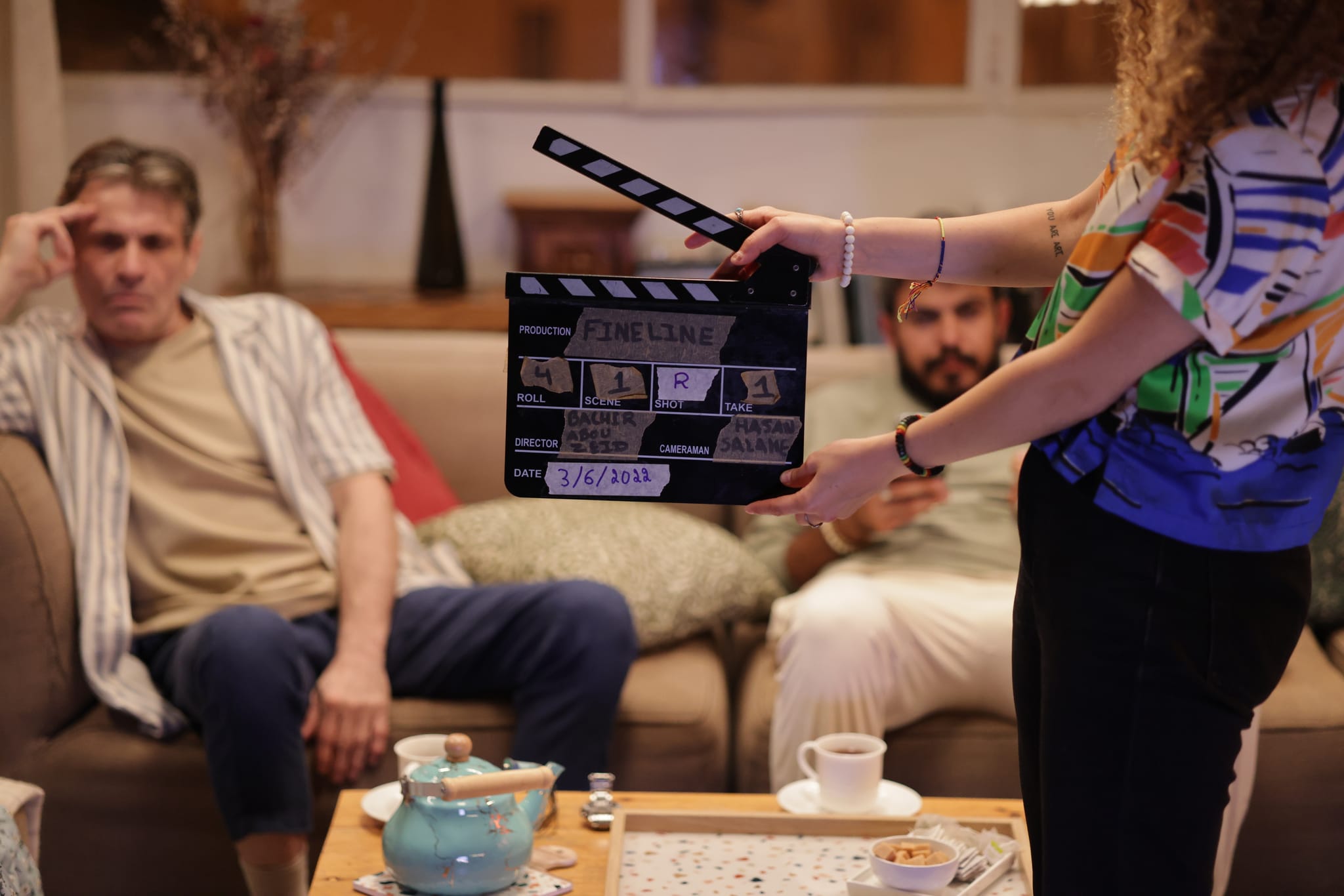
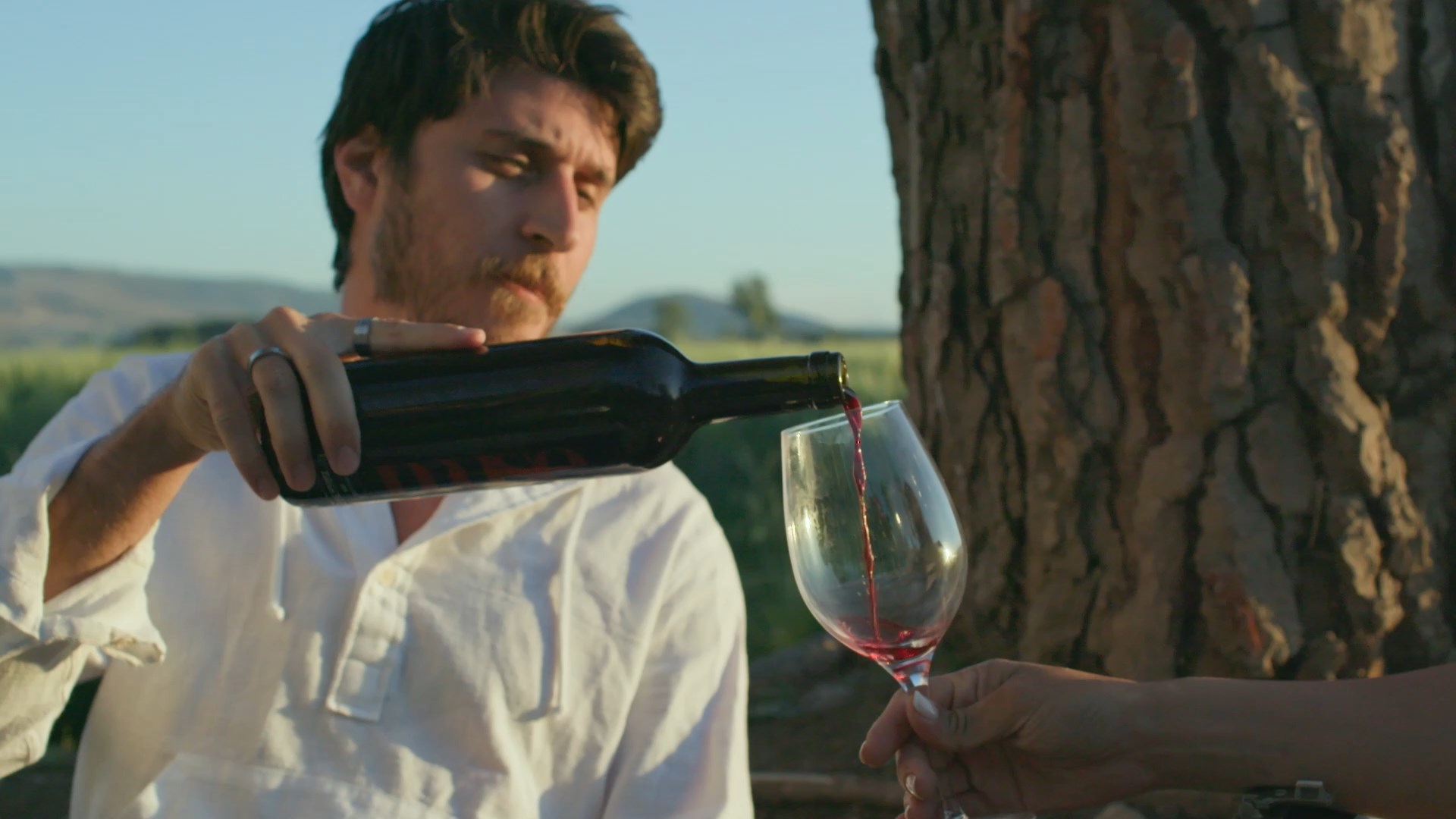
The clearest example of the logistics side is one of our own productions rather than a visiting crew. For the Lebanese wine documentary, made for USAID's Trade and Investment Facilitation (TIF) Activity, filming took around a month and moved between wineries in the Bekaa, South Lebanon, North Lebanon and Mount Lebanon.
Our team prepared and obtained the filming permits from the Lebanese Army, the Internal Security Forces and the municipalities where we filmed. The aerial shots came from drone operators we hired for the shoot, and they obtained the permits their flights needed. Our own crew shot everything on the ground on a Canon C300 Mark II on a gimbal, while the drone team flew a DJI Mavic 3 Pro. Deciding who applies for what, before anyone moves, is exactly the kind of decision a line producer owns.
Access is the other half. For Humanity & Inclusion's demining documentary, we filmed on site in the Aley area of Mount Lebanon while teams were clearing contaminated land, and recorded interviews at the Lebanese Mine Action Centre. A controlled site like that is planned around the people who run it, not around the camera.
Producers from the Gulf and the wider Middle East
If you are planning a regional production and looking for line producers in the Middle East, here is what we can honestly offer. The line production service in this guide is for shoots in Lebanon. We are based in Beirut, and most of our filming happens across Lebanon, from the south to the north and from the coast into the mountains.
We script and produce in Arabic and English, and we interpret on set in Arabic, English and French, so a Gulf or regional team can work in its own language with a local crew. We have also directed and filmed outside Lebanon, in Dubai and Qatar for Dar Global, as our guide to shooting for the Gulf from Beirut describes. But we do not offer line production or fixing in other countries. If part of your story is in Lebanon, we can be the Lebanon side of your production. For Les Vagues by Elie Saab, the interviews were recorded in Lebanon and woven into footage of the residence filmed in Qatar.
What to agree with a line producer before the shoot
Settle these in writing, whoever you hire:
- Scope. Which jobs are handled locally and which your own team covers.
- Budget. How the local budget is set out, who approves changes, and how spending is reported to you during the shoot.
- Permits. Who applies for each permit, including any drone permits, and by what date. Our filming in Lebanon guide sets out what the official filming permit request asks for and how long it takes.
- Crew. Who hires the local crew, and who they answer to on set.
- Footage. Where the material is backed up each night, and who carries it home.
- Safety. Who has the final say to stop or move a shoot.
For a longer list of questions to put to any company, see our 12 questions to ask a production company in Lebanon. Before you travel, also read your own government's current travel advice for Lebanon and your insurer's terms.
What to send for a line production quote
There is no published rate card, because the cost depends on the shoot days, crew, locations and deliverables. We quote after a short brief. A useful first message answers these:
- What you are making and who it is for.
- Dates and how many filming days in Lebanon.
- Who is traveling and which roles you need locally.
- Where you want to film, as precisely as you know.
- Equipment you are bringing and what you need here.
- What you need afterwards: raw footage only, a rough cut, or a finished film.
Email info@finelineprod.com, call +961 1 741 744 or +961 3 061 979 (also on WhatsApp), or use the contact page. We will tell you what the shoot needs and which parts you can keep in your own hands.