"Corporate video" is one of those phrases that means something different to everyone who says it. To a marketing manager it is the film on the homepage. To HR it is the onboarding video nobody skips. To a founder it is the launch. They are all right, and they are all made differently.
This guide walks through what commissioning a corporate video in Lebanon involves: the kinds of films companies actually order, who does what, how a production runs from brief to delivery, and what to prepare so the first conversation is useful. If you want the budget side, our corporate video cost guide covers what moves the price. This one covers everything else.
The kinds of corporate video companies commission
Most of our corporate work sits somewhere between a commercial and a company film. In practice it falls into five kinds:
- Company films. Who you are, what you do, why it matters, usually for the website, a pitch or a conference screen.
- Product films. One product or service, explained and shown, for a launch page or a sales team.
- Internal films. Onboarding, training, a founder's address, employee stories. Watched by staff, not the public, and often the most important film a company makes in a year.
- Event coverage. A conference, a launch, an opening, filmed for the people who were not in the room.
- Social cuts. Vertical and short versions of all of the above, planned from the start rather than cropped afterwards.
A launch usually needs several at once. For ROCK Mutual Insurance's first campaign we handled the corporate and product photography, four commercials, an internal campaign of employee stories and a closing address from the founder, then fifteen social cut-downs. The case study walks through it.
Why quality is not a detail
It is tempting to treat a corporate video as a box to tick. The audience does not. In Wyzowl's 2026 survey, 89% of consumers said the quality of a video affects their trust in the brand (Wyzowl, 2026). The same survey found that when people want to learn about a product or service, 63% would rather watch a short video than read about it, against 12% who prefer a text article. The film is often the first serious impression a company makes, and people judge the company by it.
Who does what
A corporate video passes through more hands than most clients expect: a producer, a director, a cinematographer, sound, an editor, a colourist, sometimes an animator, a voice artist and a translator. There are two ways to assemble them.
The first is to hire a videographer and add specialists as needed. It works for simple films and it puts the coordination on your desk.
The second is to hire a production house that carries the whole chain. That is how we are set up: one team from the idea, the script and the shoot through animation, grading and delivery, with one point of contact. The difference is explained in plain terms in what a production house actually does. For a company film with interviews in two languages, a product shoot and six social cuts, it is the difference between managing one supplier and managing five.
How a production runs
Every corporate video moves through the same three stages, whatever its size. The full process guide goes deeper; here is what each stage asks of you.
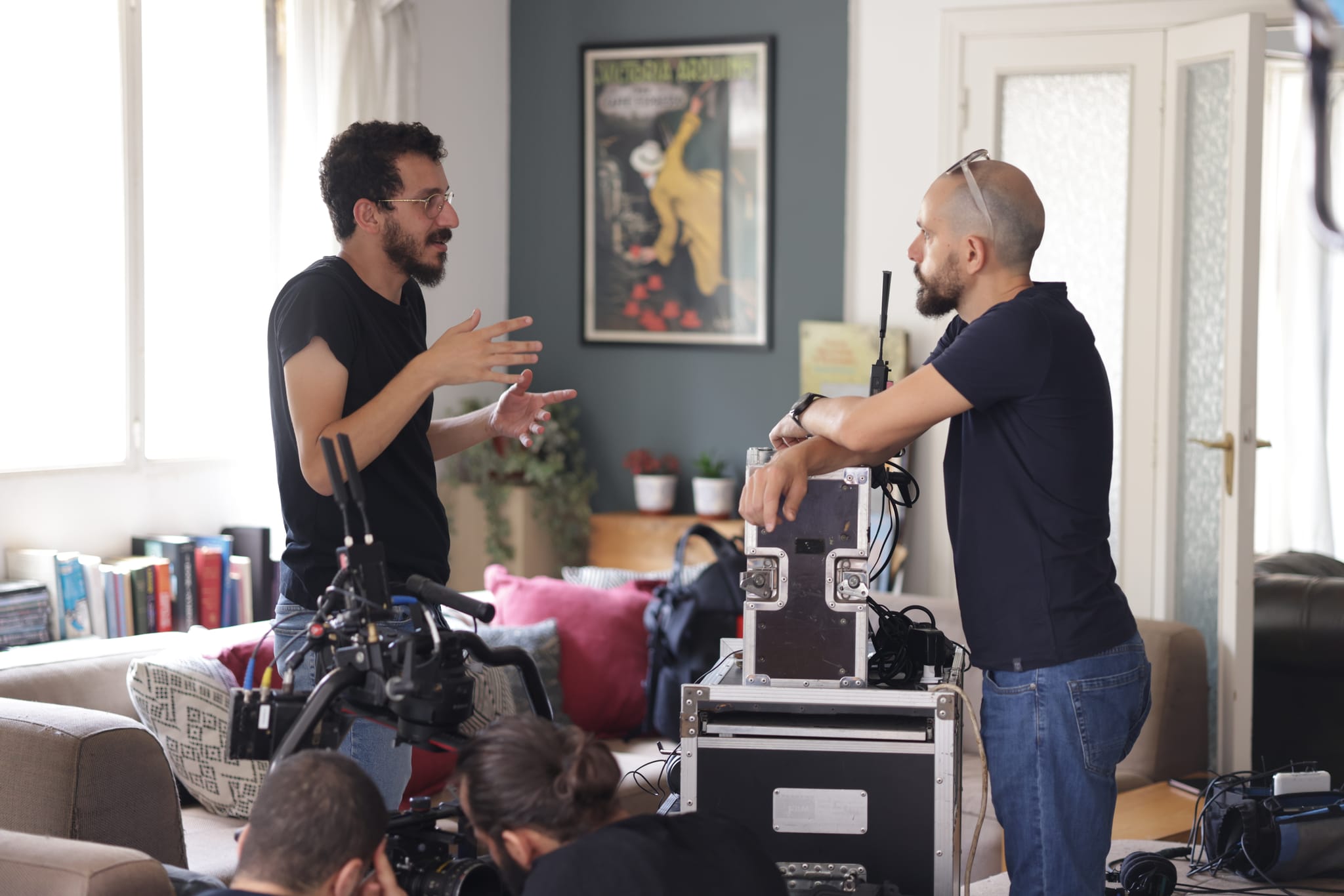
Pre-production is where the film is decided: research, concept, script, storyboard, casting if any, locations, schedule. Your job here is decisions. Who appears on camera, which office or site we can film in, what the film must say and must not say, and who signs off. Most delays in corporate video happen here, and almost all of them are sign-off delays rather than production ones.
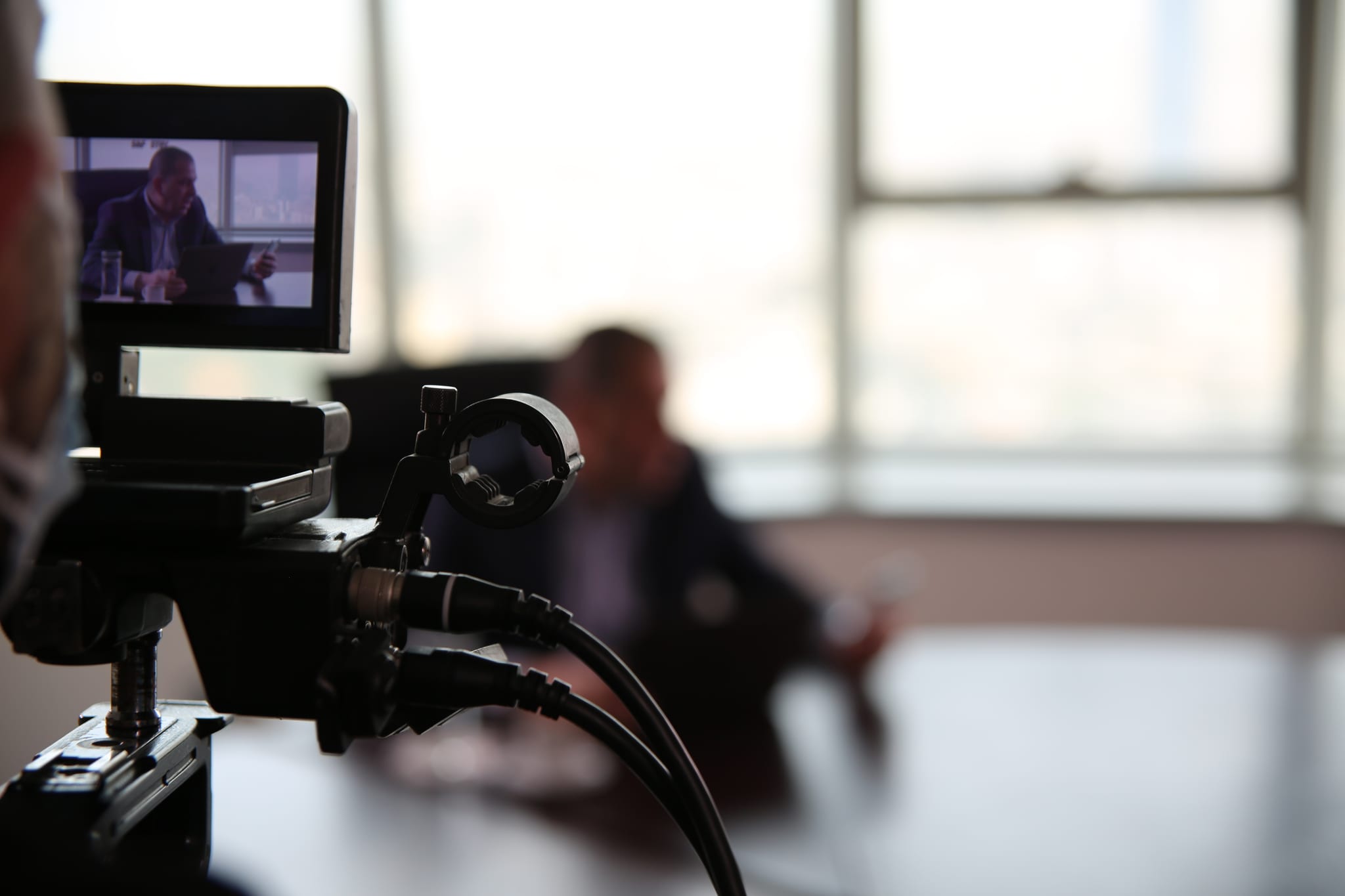
Production is the shoot. For a company film that usually means a day or two: interviews with a small crew, footage of the work being done, the building, the product. Your job is access and people: rooms booked, staff briefed, the site ready, and someone on hand who can unlock a door.
Post-production is the edit, sound design, colour grading, graphics, subtitles and versions. Your job is feedback, in rounds, from one voice. A film reviewed by five people with five opinions on separate emails is the single most reliable way to add weeks to a schedule.
Languages, accessibility and photography
Three things are worth deciding early because they change the shoot.
Languages. We script and produce in Arabic and English and have delivered fully bilingual work. If the film needs both, say so before the shoot, because interview questions, on-screen text and the voice-over are all affected.
Accessibility. Every film we make can ship with professional sign language interpretation, in Lebanese, Jordanian or Palestinian sign languages. It is built into the production from the start, so the frame is designed to carry the interpreter properly.
Photography. On most projects photography runs alongside the filming rather than as a separate booking: corporate portraits, the product, the office, the team. One shoot, one look across the website, the print material and the film.
What to have ready before the first call
You do not need a script. You need answers to six questions:
- Who is the film for? Clients, staff, investors, the public.
- What should it do? Launch, explain, recruit, reassure.
- Where will it play? Website, social media, a conference, TV, an internal platform.
- How long, roughly, and in how many versions or languages?
- When is it needed? Deadlines shape every decision that follows.
- What can we film? The office, the factory, the site, the people who can appear on camera.
With those, a production house can give you a plan and a realistic quote in days rather than weeks.
Where we work
We are based in Hamra, Beirut, and most of our filming happens across Lebanon, from the south to the north and from the coast into the mountains. We also work regionally when a project calls for it: we directed and filmed Davinci Tower by Pagani in Dubai and Les Vagues by Elie Saab in Qatar, both for Dar Global.
Talk to us
If you are planning a company film, a product film, an internal campaign or a launch in Lebanon, tell us the six answers above and we will tell you what it takes.