
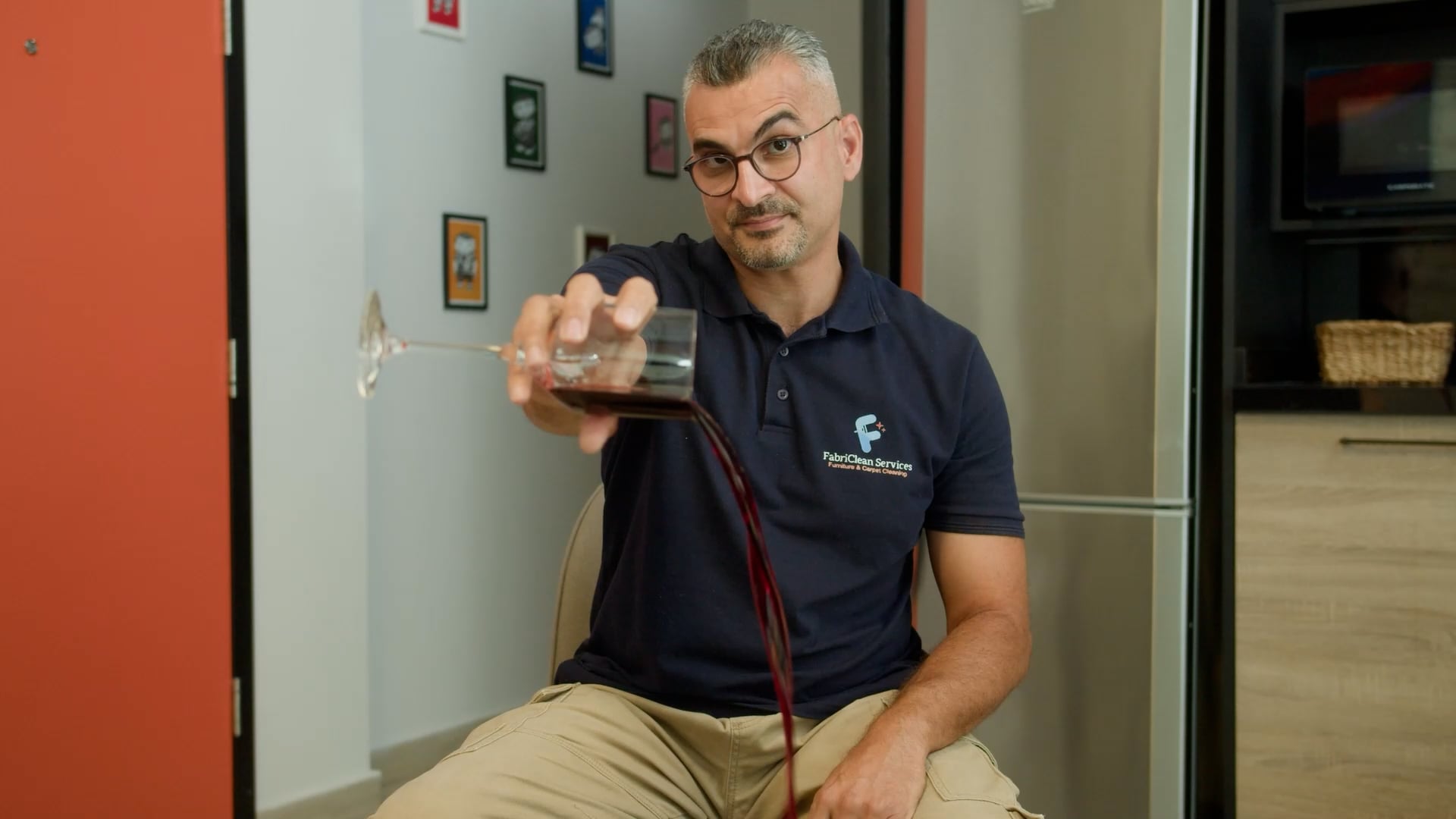
Most campaigns ask you to feel something. This one asked men to do something: learn to cook a meal, run a washing machine, look after a home. In 2025 the UNDP Accelerator Lab in Lebanon wanted to challenge the idea that everyday domestic skills belong to one gender, and it wanted the audience to move from a social post toward actually learning. That second part is what made it a production problem rather than a messaging one.
Here is how we built the Self Independence Academy, and why the format mattered more than any single film in it.
The brief
The idea sounds simple and is not. Cooking, laundry, cleaning and home care had to feel practical and relevant to men, without lecturing them, and the campaign had to carry that audience from watching to learning. A film that people admire and forget would have failed the brief.
UNDP's own framing was about reframing those skills as pillars of adult independence and self-reliance rather than gendered duties. The campaign name follows from that: an academy, where you go to learn something useful, under the line "I am capable".
The format: recognisable people, repeatable lessons
We shaped the campaign around recognisable creators demonstrating useful tasks in a direct, repeatable format. Each video is a lesson, short enough for a feed, complete enough to follow. The creators are people the audience already watches, which answers the trust problem before the first frame: if he can do it, and he is showing me, then I can.
Fine Line handled the whole chain in Lebanon: creative direction, production, sourcing the creators, and the paid social that put the videos in front of the right men. The series ran to 50 videos featuring 23 creators, introduced by two teasers, one horizontal and one vertical, that set out the scale of the academy and pointed viewers toward its quiz and learning content.
That structure is the whole idea. One hero film would have made an argument. Fifty lessons made a resource.
Producing 50 videos with 23 creators
A series this size is a logistics project as much as a creative one. Onboarding sessions with the creators before anyone filmed, so every video followed the same format while sounding like the person in it. Scripts written in batches and sorted into a handful of formats, so the series felt like one academy and not 50 separate posts. A production schedule that could absorb 23 different calendars.
The repeatable format is what kept quality even across the series. When the structure of a lesson is fixed, the creator's personality is the variable, and that is the right variable to leave open.
What the numbers say
The completed campaign reached 459,000 men and recorded 20,000 learning engagements. The second number matters more than the first. Reach measures who saw a post. Learning engagements measure who did what the campaign asked, which for a behaviour-change brief is the only figure that counts.
What this project shows
Two things. First, that a campaign built to be used performs differently from one built to be admired. The academy format gave people a reason to come back, and the numbers followed. Second, that a production house can carry a campaign of this shape end to end in Lebanon: the creative idea, the production of 50 videos, the creators, and the distribution that turns a series into a result.
See the Self Independence Academy film page for the teaser, and the campaigns page for our other integrated campaigns.
Talk to us
If you have a behaviour to change and an audience to reach in Lebanon, tell us what you want people to do, not just to think, and we will tell you what it takes.